
EBS plays a vital role in strengthening Rwanda’s Early Warning and Response (EWAR) system and aligning with the International Health Regulations (IHR). These regulations require countries to build capacities for the early detection, reporting, and response to public health threats in a timely manner.
The World Health Organization (WHO) defines EWAR as an organized mechanism for detecting any unusual occurrences or deviations from normal health patterns as early as possible. Integrating EBS with Indicator-Based Surveillance (IBS) expands the capacity to detect a broader range of signals from diverse sources.
The EBS Monitoring and Evaluation (M&E) Plan will undergo annual reviews to integrate lessons learned and adjust to Rwanda’s evolving public health priorities. Rwanda has also adopted the 7-1-7 target in recent years, further strengthening its outbreak preparedness and response capabilities.
Planned Monitoring and Evaluation Review Activities
1. Performance Assessments – Evaluate current indicators, data collection methods, and reporting timelines
2. Stakeholder Feedback Integration – Incorporate insights to enhance the M&E strategy
3. Indicator Modification – Adjust indicators based on emerging threats and strategic goals
4. Tool Improvement – Refine data collection tools for greater accuracy and efficiency
5. Adaptive Reporting – Update reporting timelines for timely and relevant data dissemination
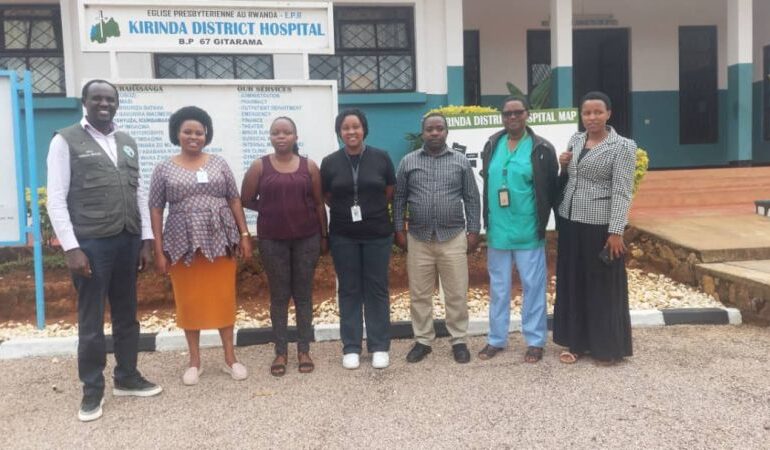
We extend our sincere appreciation to the Ministry of Health (MoH) for adopting and supporting the implementation of the Africa CDC EBS Framework at national, provincial, district, sector, and community levels.
Special thanks to AFENET and Jhpiego for their continued support of this initiative through the One Health Approach, fostering integrated surveillance across human, animal, and environmental health—as championed by the One Health Approach for Conservation (OHAC) – Gorilla Health. https://lnkd.in/d3fqCyW9
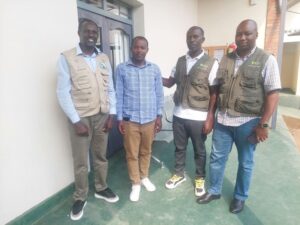
One Health in Action
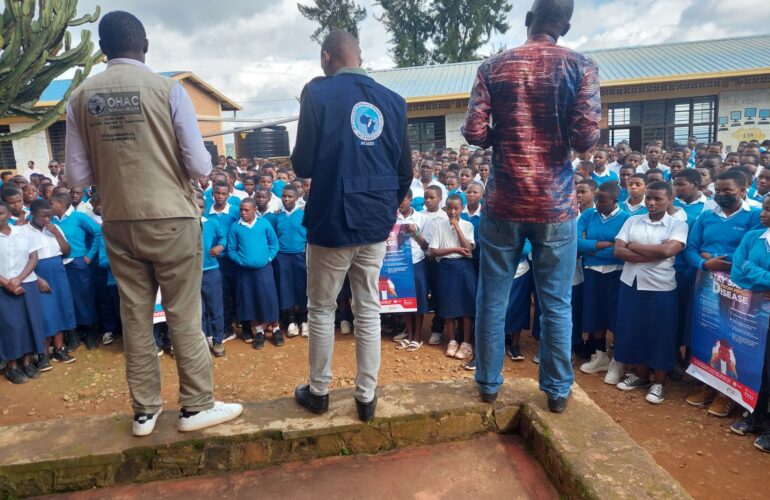
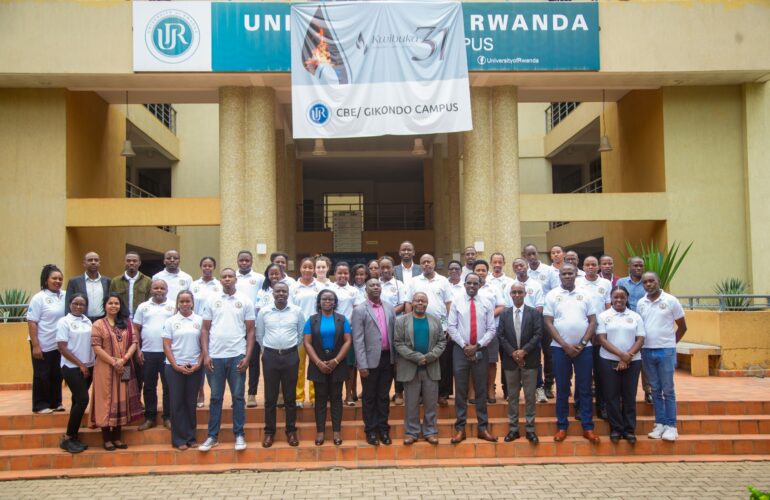
“I continue my journey by training current and future health professionals in the spirit of the One Health approach—building capacity and supporting continuous professional development for medics and para-medical personnel. In future EBS sessions, we expect to train veterinarians (https://www.au-ibar.org), Animal Resources staff, environment experts & park staff, as signals and threats will emerge from diverse ecosystems.”
Next Steps
1. Train Rwanda Community Health Workers
2. Conduct mentorship and supervision on MVD and event-based surveillance
3. Review EBS concepts and promote use of the Impuruza System
End.