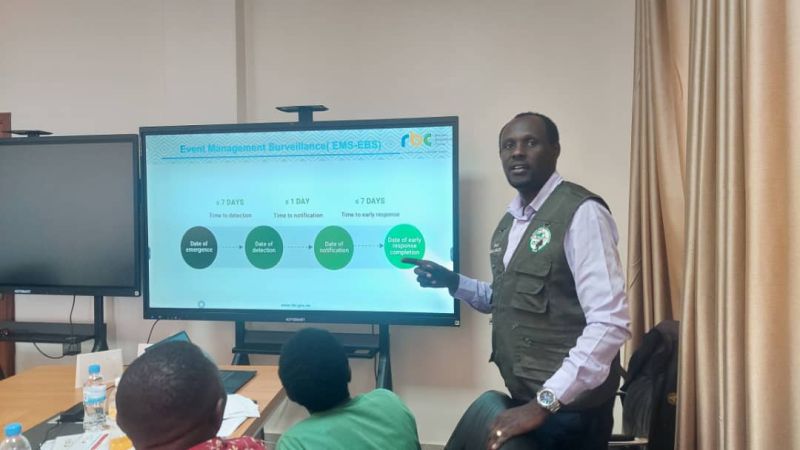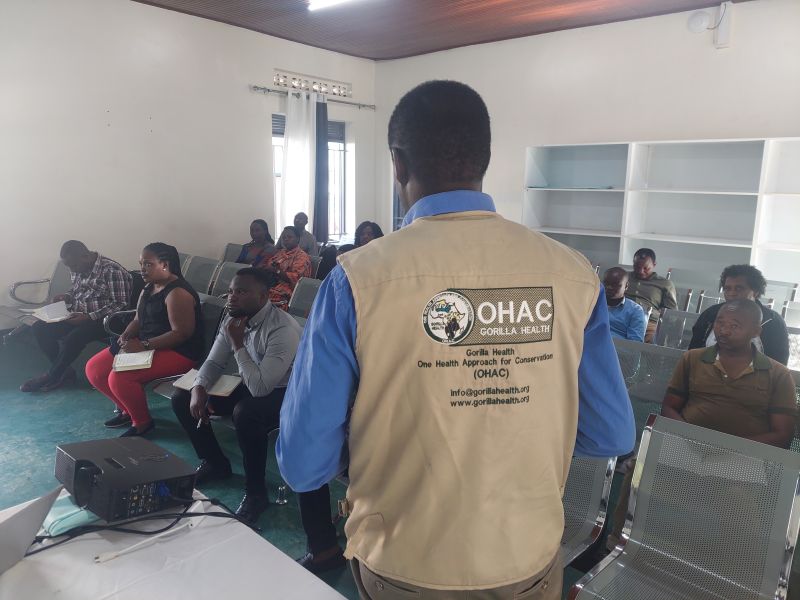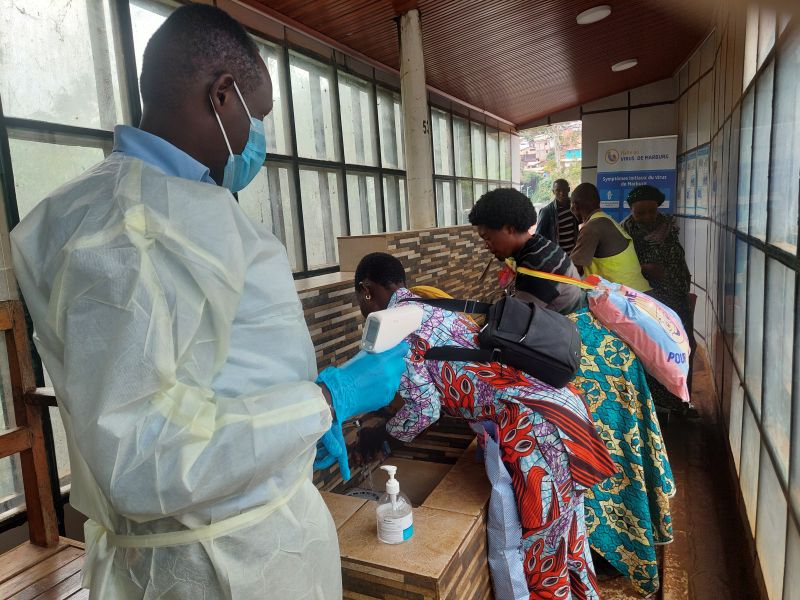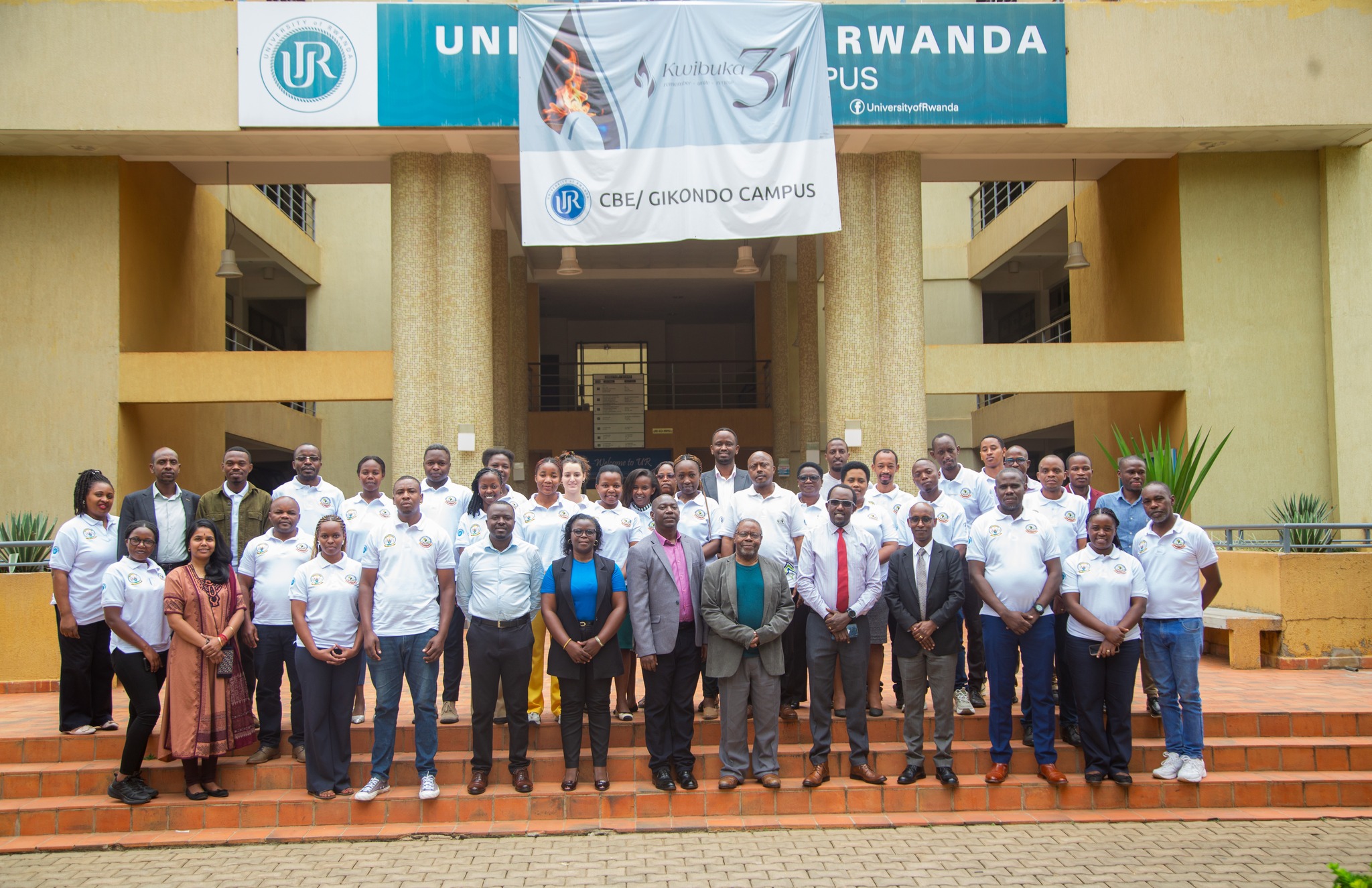

The Rwanda Biomedical Centre (RBC), with support from Jhpiego and AFENET, conducted a national Training of Trainers (ToT) on Marburg Virus Disease (MVD) and Event-Based Surveillance (EBS). This initiative aimed to enhance national and sub-national capacity for early detection and timely response to public health threats, with a focus on viral hemorrhagic fevers and other emerging diseases.
EBS plays a vital role in strengthening Rwanda’s Early Warning and Response (EWAR) system and aligning with the International Health Regulations (IHR).
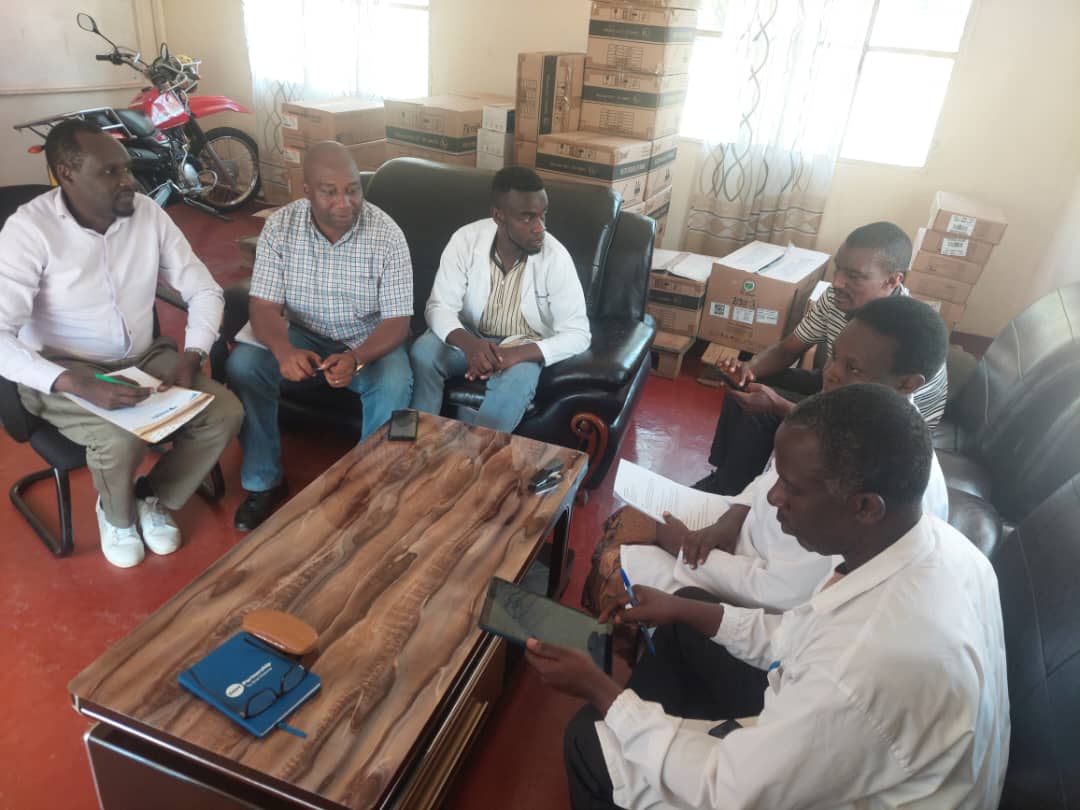
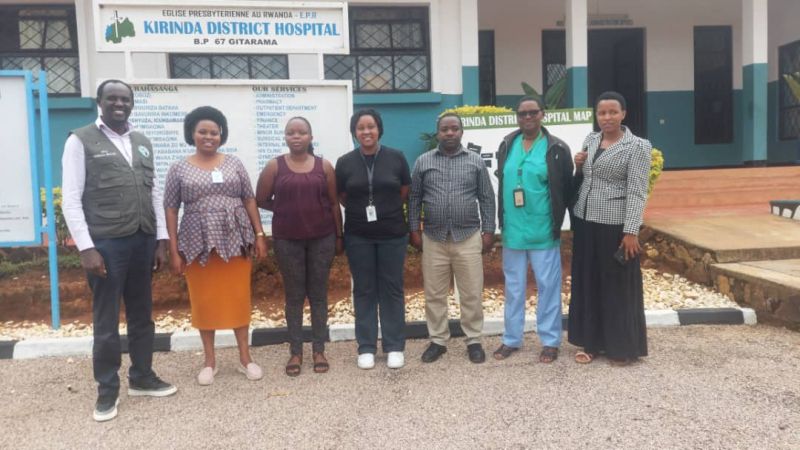
Following the ToT, a post-training mentorship and supervision was carried out to ensure the effective application of the training at the facility level.
Objectives of the Mentorship and Supervision
– Reinforce the knowledge and practical skills acquired during the ToT.
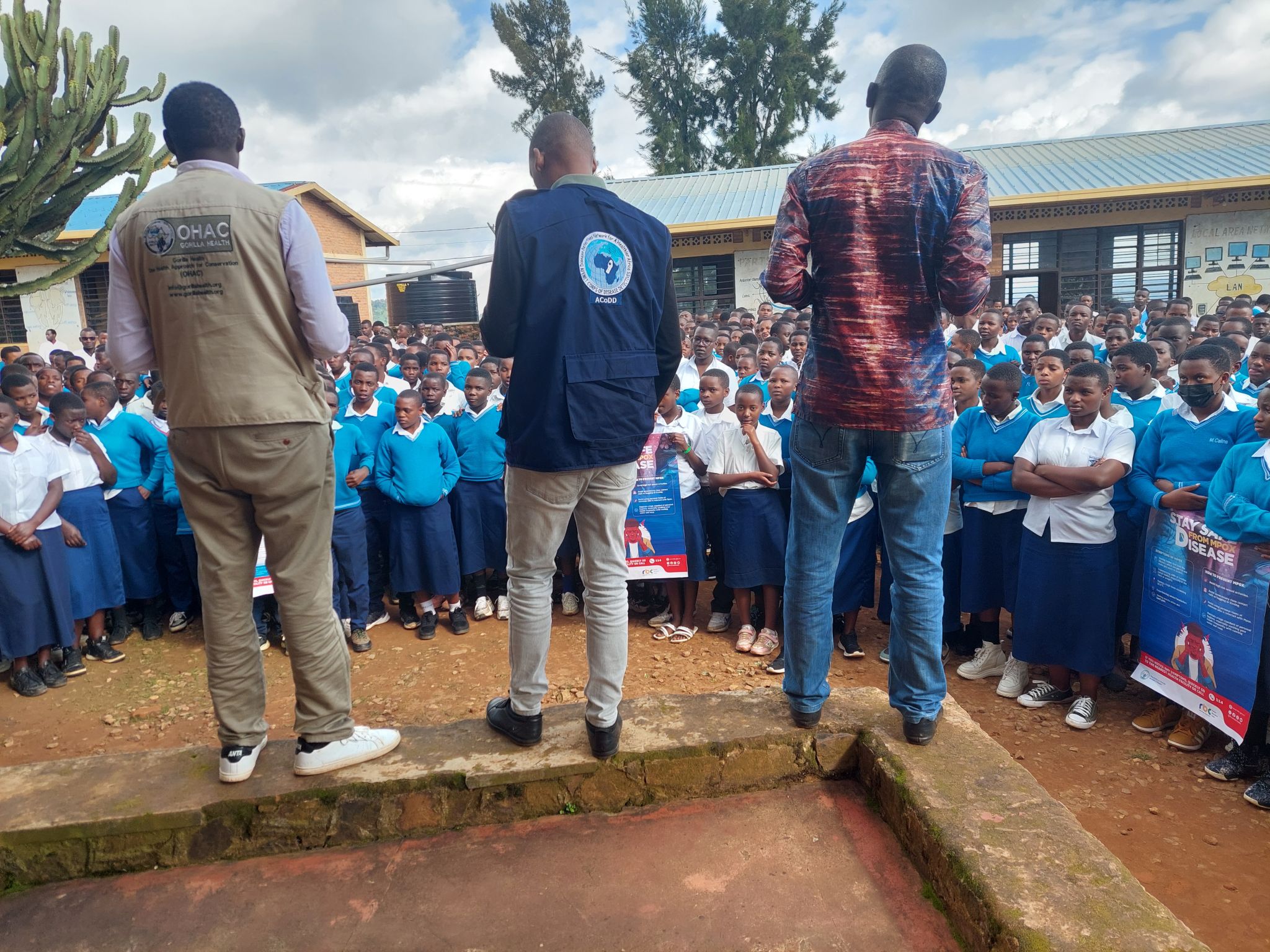
– Monitor the rollout of cascade trainings at hospital and health center levels.
– Support the use of the IMPURUZA digital alert platform.
– Ensure integration of EBS into the hospital’s routine surveillance activities.
– Data was collected using a standardized questionnaire and through:
– Document review of guidelines, SOPs, and reporting tools.
– Direct observation of EBS implementation in routine activities.
– Key informant interviews with hospital staff, including surveillance team members.
Focus areas included:
– Functionality of the surveillance system
– Availability of surveillance guidelines and SOPs
– Staff training and capacity
– Data reporting and use
– Laboratory capacity for case confirmation
– Risk assessment and outbreak response preparedness
The mentorship and supervision visits demonstrated commendable progress in EBS integration across hospitals. However, to fully operationalize the ToT outcomes and strengthen early detection and response capacity, it is crucial to address the identified gaps—particularly in tool availability, system access, and financial sustainability.
Continuous support, coordination, and resource mobilization will be key to enhancing Rwanda’s preparedness for future public health threats.

Special thanks to AFENET and Jhpiego for their continued support of this initiative through the One Health Approach, fostering integrated surveillance across human, animal, and environmental health—as championed by the One Health Approach for Conservation (OHAC) – Gorilla Health. https://lnkd.in/d3fqCyW9
One Health in Action
“I continue my journey by training current and future health professionals in the spirit of the One Health approach—building capacity and supporting continuous professional development for medics and para-medical personnel.