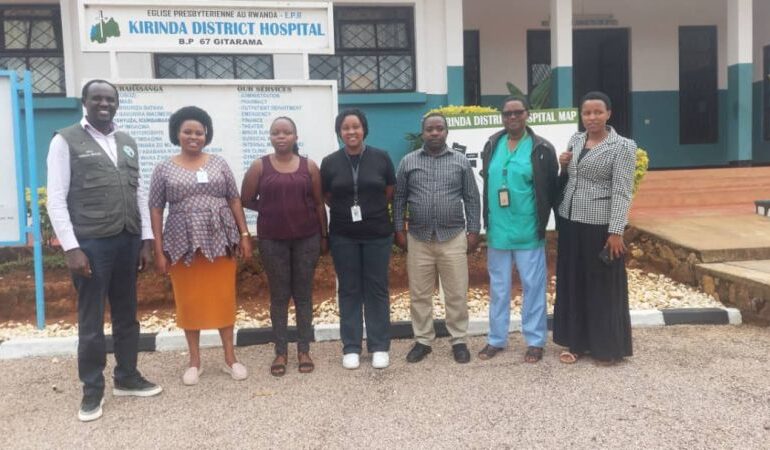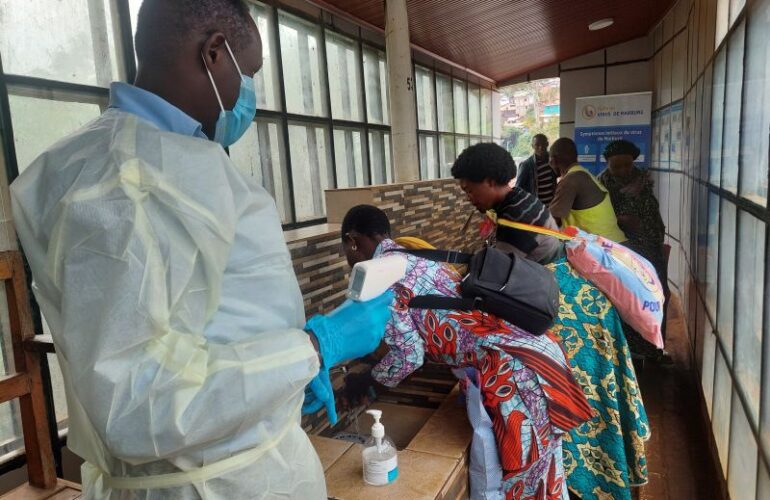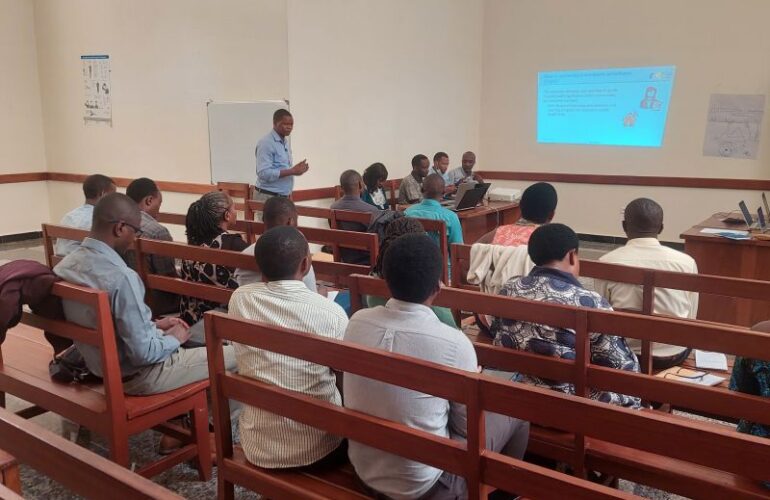
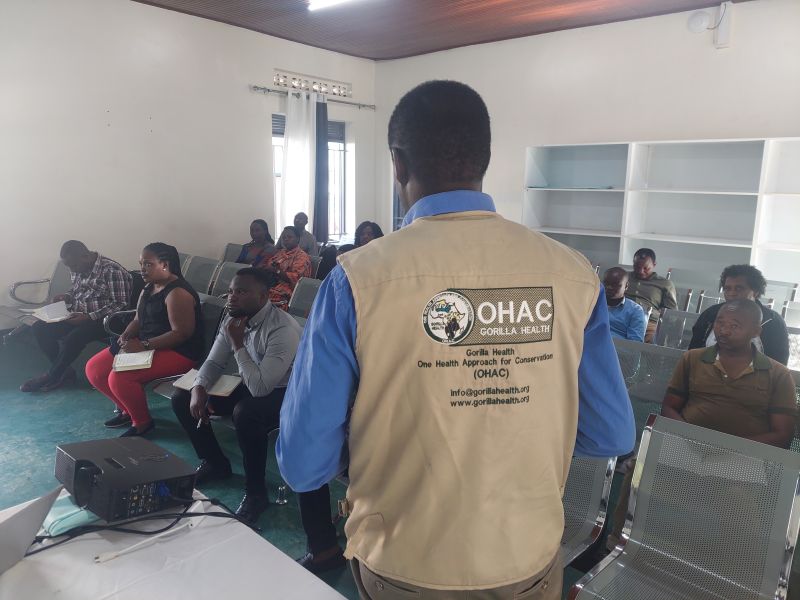
We conducted two Event-Based Surveillance (EBS) Training-of-Trainers (ToT) sessions in the Kirehe District, engaging 50 participants.
EBS aims to fill critical surveillance gaps by enabling the rapid collection, reporting, and assessment of unstructured information related to potential public health threats. This supports timely response and intervention. This initiative is enhancing Rwanda’s capacity for the early detection and response to public health emergencies, including recent threats such as Mpox and the Marburg virus, among others.
A series of training sessions, mentorship programs, and supervisory activities are ongoing in various district hospitals and communities. These efforts, supported by our team, aim to ensure the effective adoption and implementation of EBS across Rwanda’s public health infrastructure.
We also addressed the 7-1-7 approach, a global standard for timely infectious disease outbreak response. This approach emphasizes the importance of speed in detection, reporting, and intervention, as seen in Rwanda’s response to the 2024 Marburg outbreak.
The EBS system supports the detection of a wide range of public health events, including non-infectious incidents, and can be tailored to respond to specific situations such as mass casualty events or natural disasters.
While Indicator-Based Surveillance (IBS) is effective for monitoring routine disease trends, its reliance on predefined thresholds may delay outbreak detection. EBS addresses this gap, improving early identification and rapid investigation.
The successful implementation of EBS in Rwanda depends on the collaboration of multiple stakeholders. Each plays a vital role in ensuring effective surveillance, early detection, accurate reporting, and rapid response—ultimately enhancing the country’s overall health security.

One Health in Action
“I continue my journey by training current and future health professionals in the region on the One Health approach—building readiness for outbreak investigation, and delivering effective training to help manage and contain public health threats.”
End.