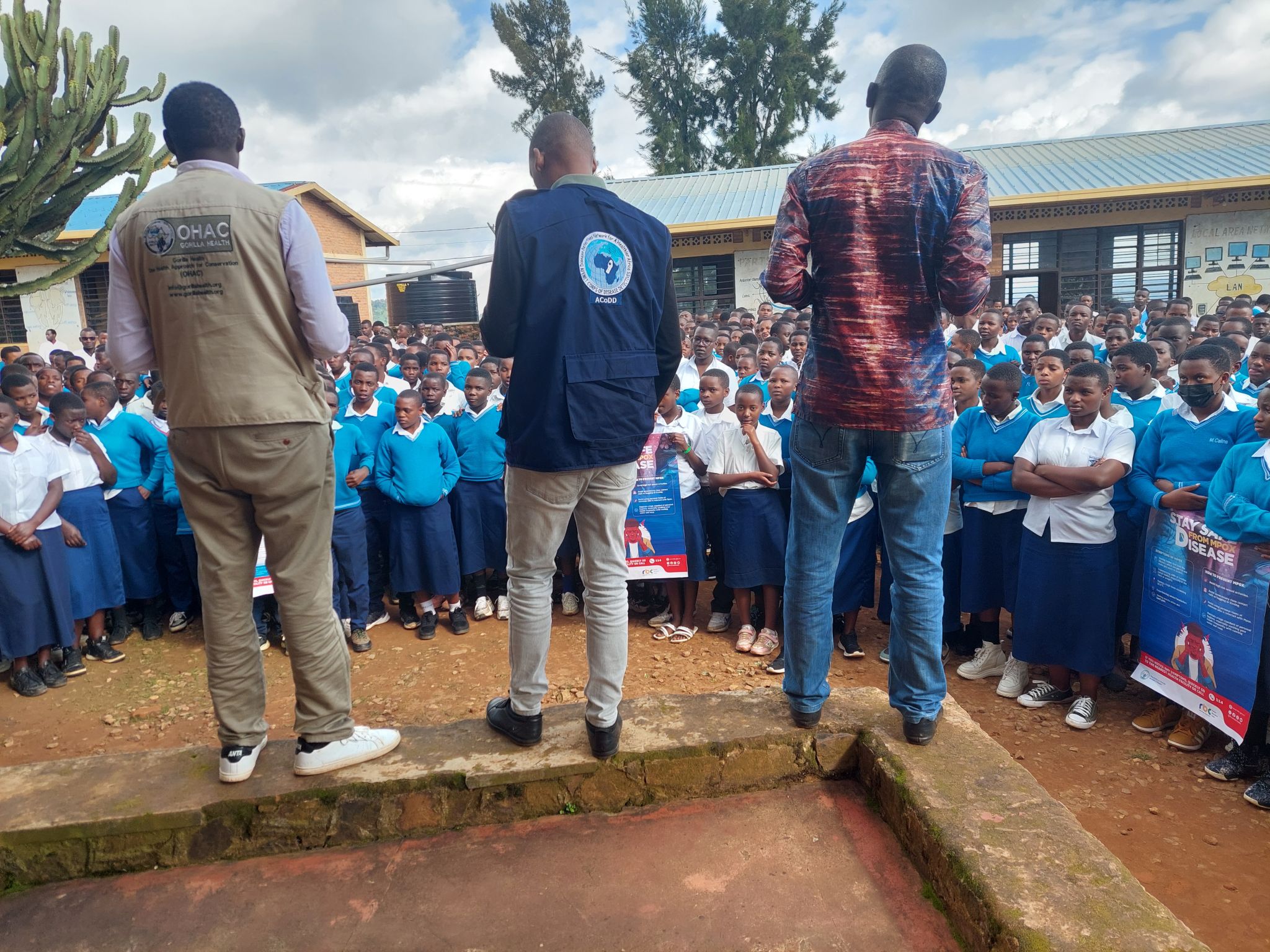
It was a privilege to complete a one-month mission in Rwanda, supporting efforts to enhance Mpox surveillance and response. Rwanda has demonstrated remarkable commitment and efficiency in rapidly controlling any outbreak.
Our field deployment enhances Rwanda’s community level response to Mpox outbreak, leveraging ACoDD teams (disease detective) for effective containment and prevention.
Our work focused on:
1. To strengthen rapid response teams focused on Mpox surveillance and contact tracing in high-risk areas.
2. To raise community awareness about Mpox transmission, prevention, early warning signs, and potential complications
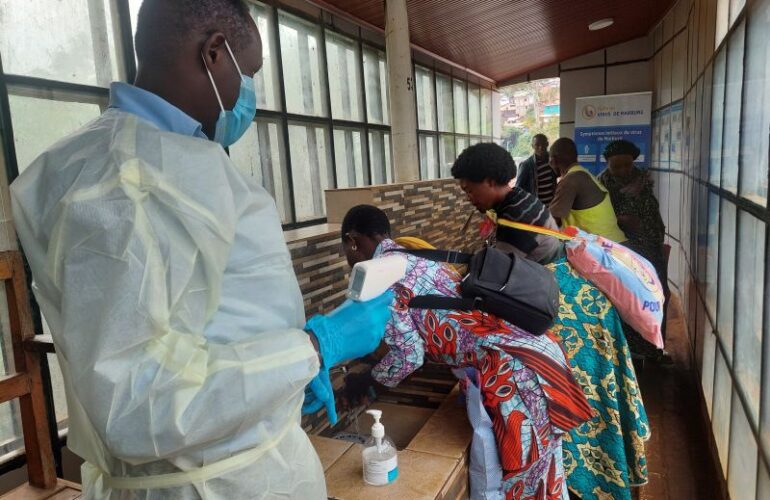
3. To support healthcare facilities in Mpox screening, case management, infection prevention and control (IPC), mental health support, and post-recovery care for affected individuals.
4. To assess and adapt response strategies based on real-time data and community feedback.
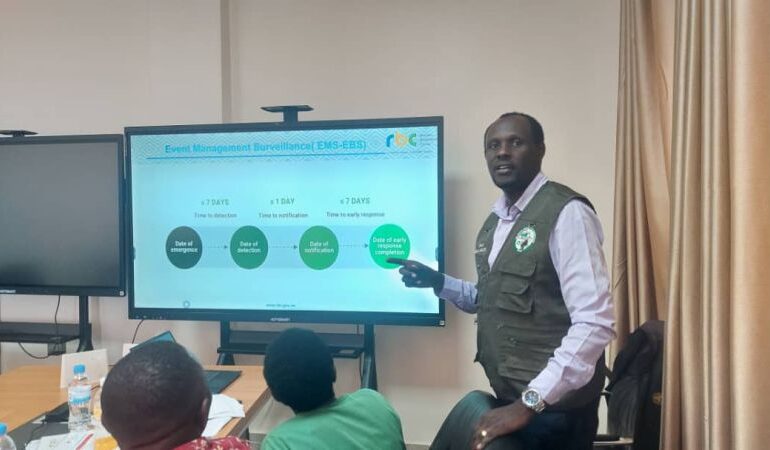
5. To identified and includes communities Pharmacies in the Event Base Surveillance (EBS) tool to support actively the Mpox response strategy
Rwanda developed a Strategic Preparedness, Readiness, and Response Plan (SPRP) to mitigate the spread and impact of Mpox. This strategy includes the implementation of various prevention and control measures like enhancing surveillance, border health screening, and training of healthcare workers. With the One Health Integration: The adoption of a One Health approach—considering human, animal, and environmental health—has been a major achievement in the management of the Mpox.
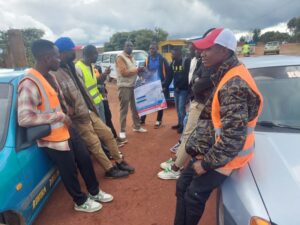
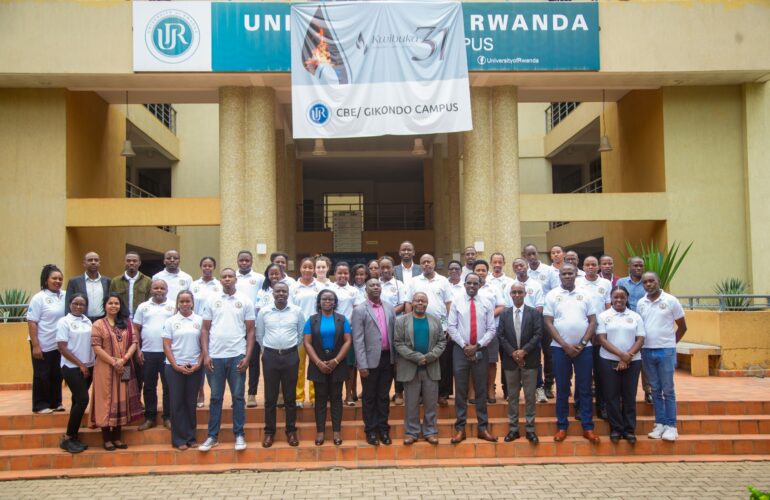
With the support of RBC and CDC through the deployment of Action for Community Disease Defense (ACoDD) teams, we played a critical role in surveillance, and outbreak response in 14 affected Districts.
It was a pleasure to collaborate with experts from Rwanda to advance the Mpox surveillance and response program, especially as Mpox outbreaks continue to occur in neighboring countries.
Special thanks to the Minister of Health (MoH) who initiated the program with the Rwanda Biomedical Center (RBC) in partnership with AFENET in Rwanda. Special thanks to the One Health Approach for Conservation (OHAC) – Gorilla Health
One Health in Action: “Continuing my journey in training the current and next generation of health professionals in the One Health approach means fostering an understanding of the interconnectedness of human, animal, and environmental health, and promoting cross-disciplinary collaboration.”https://lnkd.in/d3fqCyW9
End.